Scaling from 500 to 5,000 Employees: Why Shipping Fast Stops Working


For more thoughts, clips, and updates, follow Avetis Antaplyan on Instagram: https://www.instagram.com/avetisantaplyan
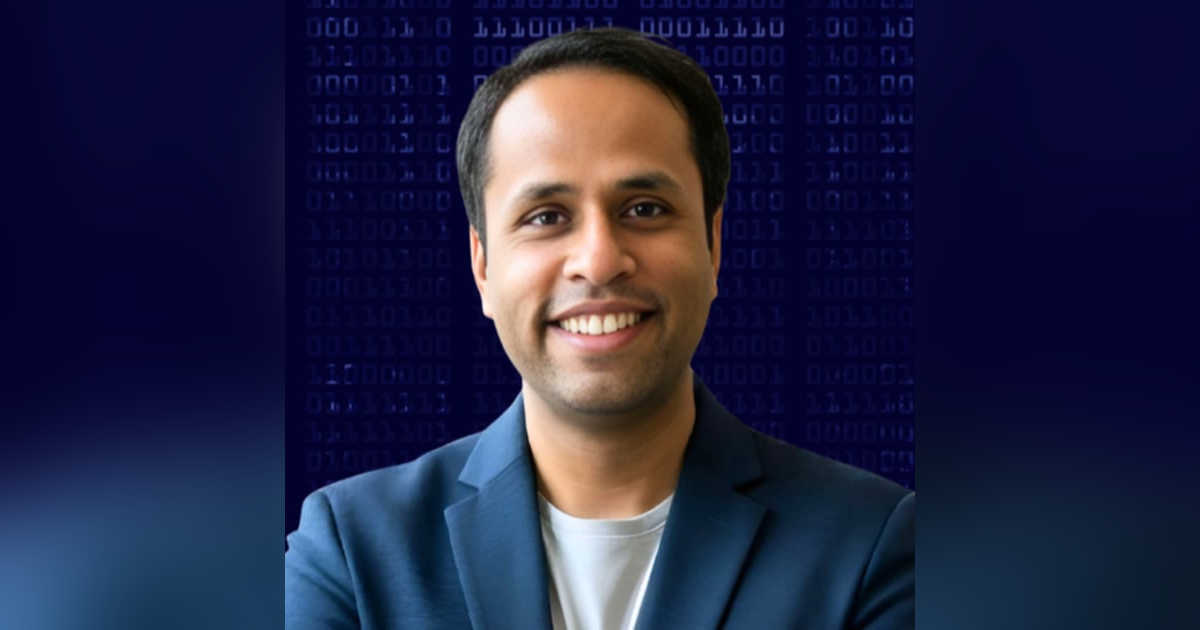
In this episode of The Tech Leader's Playbook, Avetis Antaplyan sits down with Pranav Lal, Head of Business Technology at Gusto and former Enterprise Systems Leader at Slack, Eventbrite, Ethos, and OneTrust, to unpack what it really takes to build enterprise-grade systems inside hyper growth companies.
Drawing from three pre-IPO to IPO journeys, Pranav shares hard-earned lessons about scaling from 500 to 5,000+ employees, why lead-to-cash is a company’s “financial nervous system,” and how IPO readiness shifts the focus from shiny tools to provable controls and governance.
The conversation dives deep into the reality behind AI hype — why AI can 10x velocity but cannot fix broken architecture, why SaaS isn’t dead (but static SaaS is), and why giving AI agents “god mode” access is a dangerous mistake. Pranav also explores the evolving role of middle management, the shift toward outcome-based SaaS pricing, and how leaders must balance speed with architectural integrity.
With insights on radical candor, trust-building after failed transformations, and how to protect team energy in high-pressure environments, this episode delivers a masterclass in modern technical leadership — where judgment, clarity, and guardrails matter more than ever.
Takeaways
- You cannot outsource thinking. If you do, you inherit the mess.
- Scaling from 500 to 5,000 employees shifts from speed-driven execution to governance and ownership clarity.
- Lead-to-cash is the company’s financial nervous system. Errors create revenue leakage and audit risk.
- IPO readiness is about provable controls, not new tools.
- Moving from MVP to enterprise-grade means building trust under stress, including uptime, recovery, and auditability.
- AI increases velocity, but without guardrails it creates chaos.
- AI cannot repair weak architecture or poor technical fundamentals.
- SaaS is evolving, not disappearing. Static SaaS is being replaced by dynamic and agent-driven systems.
- Clear communication is now a critical engineering skill.
- Middle managers must evolve into hands-on architects and AI orchestrators.
- Trust is rebuilt through consistency and quick wins.
- Strong leaders reduce ambiguity, protect team energy, and simplify complexity.
Chapters
00:00 Intro and Core Thesis
01:00 Pranav’s Background and IPO Experience
01:28 Scaling from 500 to 5,000 Employees
03:14 Why Lead-to-Cash Matters
04:31 IPO Readiness and Compliance
06:05 MVP Versus Enterprise-Grade Systems
08:10 AI Hype Versus Reality
12:07 Rebuilding Trust After Failed Transformations
13:50 The Risk of Outsourcing Thinking
17:44 Technical Skill Is Not Enough
20:07 The Shift in Engineering Identity
24:17 Is SaaS Dead
25:46 The Future of SaaS Pricing
26:57 The Danger of AI With Full Access
28:34 Advice for Engineers in the AI Era
36:06 Balancing Speed With Architecture
41:16 Hiring for Ownership and Judgment
43:15 Radical Candor and Leadership Growth
46:35 The Billboard Advice
47:02 Final Leadership Principles
Pranav Lal’s Social Media Link:
https://www.linkedin.com/in/pranavl/
Resources and Links:
https://www.hireclout.com


