Your Boardroom Is Full of People Who Think Exactly Like You


For more thoughts, clips, and updates, follow Avetis Antaplyan on Instagram: https://www.instagram.com/avetisantaplyan
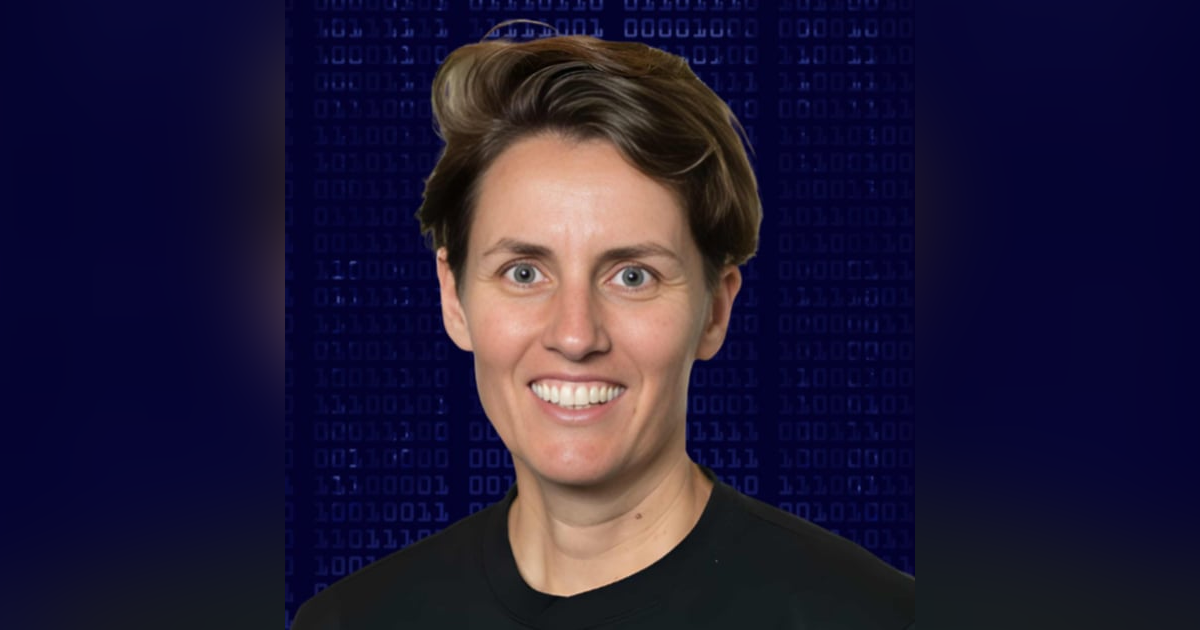
In this episode of The Tech Leader's Playbook, Avetis Antaplyan sits down with Kylee Ingram, a decision science expert and co-founder of Wizer, a platform built to help leaders design better decision-making rooms at scale. Kylee’s journey began in sports television and documentary work before pivoting into interactive media and ultimately decision intelligence—a shift inspired by her desire to remove industry gatekeepers and build systems that empower diverse thinking.
Kylee unpacks the science behind why good leaders still make bad decisions, revealing how cognitive diversity—not just demographic diversity—is the missing ingredient in most executive teams. She breaks down the three hidden biases that compromise leadership groups (social, information, and capacity bias), why “smart people in the room” isn’t enough, and how decision profiles dramatically change communication, hiring, fundraising, and strategic alignment.
Through research from Dr. Juliet Burke and real-world examples from organizations like Enron, Kylee illustrates how teams drift toward sameness as companies scale, quietly erasing the diversity of thought needed for innovation. She also shares practical tactics for CEOs to improve decision quality—without slowing down execution—and how leaders can tailor communication to different decision styles for more buy-in, clarity, and outcomes.
This episode is a masterclass on designing better rooms, better conversations, and ultimately, better decisions.
Takeaways
- Cognitive diversity—not demographic diversity alone—is what prevents bad decisions in leadership teams.
- Most CEOs fall into just two decision-making styles, which creates blind spots and groupthink at scale.
- The “hippo effect” (highest-paid person’s opinion) strongly influences decisions unless leaders intentionally speak last.
- Independence is critical in decision design; decisions made before people enter the room create false consensus.
- Structured diversity in decision profiles can reduce decision error by 30% and increase innovation by 20%.
- Decision profiles offer a practical way to identify missing perspectives (e.g., risk-focused, analytical, visionary).
- Leaders should audit each decision by asking: “Who is missing from this room?”
- Communication should match decision styles; most organizations inadvertently ignore analyzers, achievers, and risk-oriented leaders.
- Designing rooms—not relying on gut instinct—is the most reliable way to scale high-quality decisions.
Chapters
00:00 The Hidden Problem in Leadership Decisions
01:12 Kylee’s Journey: From TV to Decision Intelligence
03:07 Early Wins & The Birth of Wizer
04:45 When Gut Instinct Isn’t Enough
05:40 The Three Biases Undermining Every Leadership Team
09:17 The Hippo Effect & Room Dynamics
12:22 Cognitive Overload & Oversimplification
14:16 Speed vs. Quality: Avoiding Paralysis by Analysis
17:38 Cognitive Skew & The Enron Example
19:07 The Seven Decision Profiles
22:47 Small Teams & Practical Application
25:55 Why Personality Tests Don’t Work
30:34 Cognitive Drift in Scaling Companies
33:10 Conflict Entrepreneurs & Modern Culture
34:08 Why the Wrong People Keep Making the Decisions
36:00 Designing Better Interviews & Panels
37:29 Messaging & Decision Styles
41:27 Tailoring Communication Without Manipulation
43:07 One Thing CEOs Should Implement This Week
45:15 Mapping Your Organization with Wizer
47:30 Kylee’s Aha Moments & Reflections
49:06 Closing Thoughts & What’s Next
Kylee Ingram’s Social Media Link:
https://www.linkedin.com/in/kyleeingram/
Resources and Links:
https://www.hireclout.com


